bmg office with acoustic buzzisking printed on the walls and guitars

How to Treat Your Home Studio Acoustics: A Step-by-Step Guide

Learn 7 simple, actionable tips for treating your home studio acoustics. Discover how to balance absorption, tame bass, and improve your sound quality.

When setting up a home recording space, achieving clear, accurate sound can feel overwhelming. Acoustic treatment controls sound reflections to create a flat frequency response, ensuring your mixes sound balanced on any speaker system.

Whether you are mixing music, recording podcasts, or mastering tracks, here are 7 practical tips to optimize your room acoustics.

Tame Low-End Frequencies with Corner Bass Traps

Low-frequency sound waves (bass) naturally gather in room corners, causing exaggerated low-end buildup.

  • The Problem: Excess bass tricks you into lowering the low end in your digital audio workstation (DAW) mix, leaving the final track sounding thin elsewhere.

  • The Solution: Install bass traps in the trihedral corners (where two walls meet the ceiling or floor) to absorb low-frequency energy.

Locate First Reflection Points Using the Mirror Trick

You aren't just hearing direct sound from your studio monitors; you are also hearing sound reflecting off parallel walls and ceiling surfaces.

  • How to find reflection points: Sit in your primary mixing position and have a friend slide a mirror along the side walls.

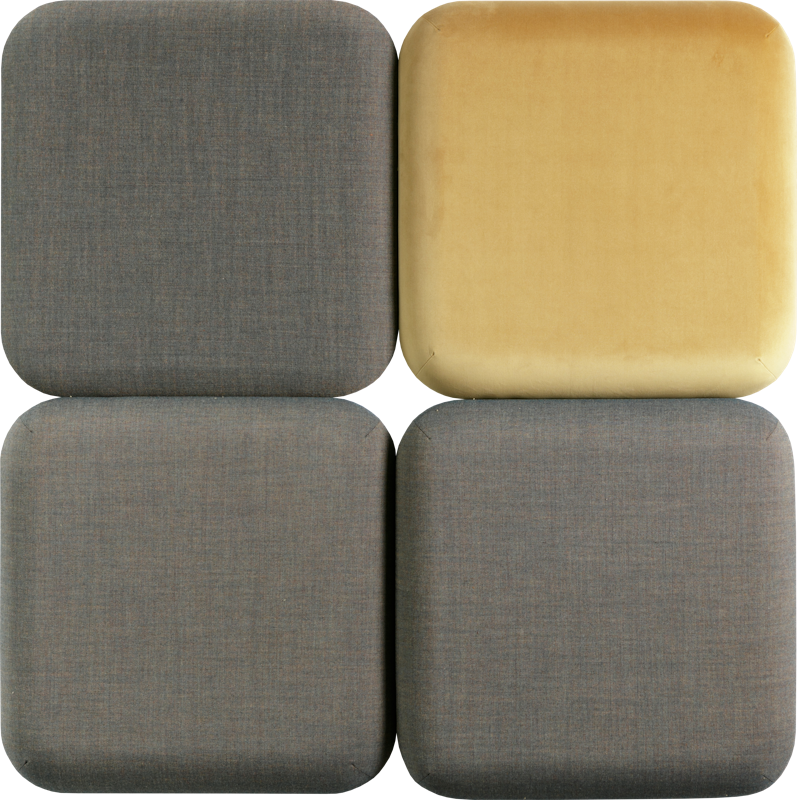
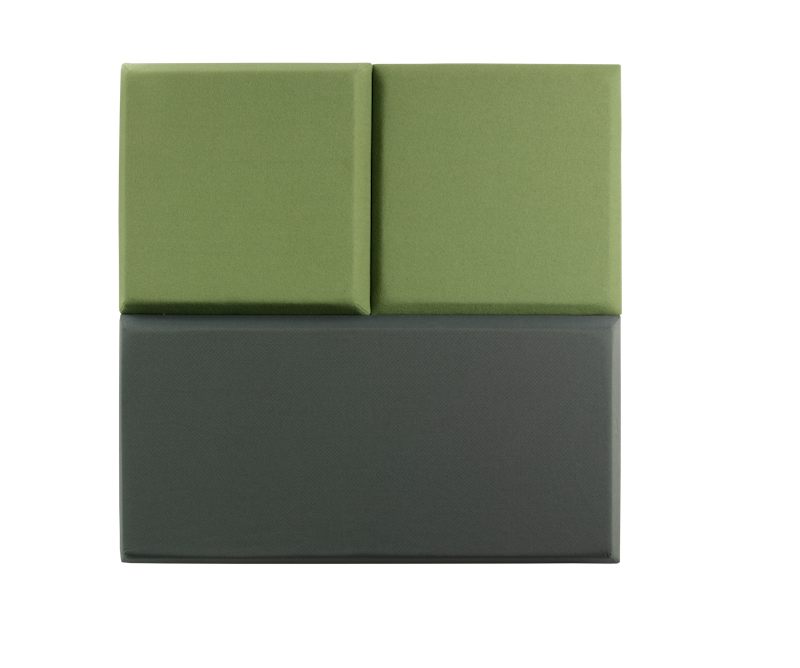
  • The Rule: Wherever you see your studio monitors reflected in the mirror, attach high-performance wall absorbers like BuzziBlox to capture early reflections before they reach your ears.

Balance Absorption with Acoustic Diffusion

Absorbing all sound reflections can result in an overly "dead" room, stripping away natural energy.

  • Absorption removes sound energy to reduce flutter echo and reverberation.

  • Diffusion scatters sound waves evenly across the room without removing energy.

  • Best Practice: Combine absorbent panels on side walls with acoustic diffusers on the back wall to maintain natural room warmth.

Understand Soundproofing vs. Acoustic Treatment

Many home studio builders confuse soundproofing with acoustic treatment:

  • Acoustic Treatment improves sound quality inside the room by managing reflections.

  • Soundproofing blocks sound from entering or leaving the room (requires heavy mass, wall isolation, and sealed air gaps).

Quick Tip: To reduce minor external noise without major renovation, seal door gaps with weather stripping or use high-density acoustic curtains.

Transform Your Studio Space with BuzziSpace

Ready to eliminate unwanted room reflections and bass buildup? Explore our range of high-performance wall panels, acoustic seating, and modular absorbers designed to blend studio-grade acoustics with elegant interior design.

Use Room Measurement Software to Map Resonances

Every room shape creates unique standing waves and room modes that cause frequency spikes or dead spots.

  • Use free or affordable acoustic measurement software like Room EQ Wizard (REW) or Sonarworks.

  • Run a sweep test with a measurement microphone to identify precise frequency buildup before buying acoustic treatments.

Dampen Flutter Echo with Soft Furnishings & Acoustic Furniture

Empty rooms act like giant echo chambers. Before buying specialized gear, leverage everyday room elements:

  • Soft Elements: Bookshelves, thick rugs, and upholstered sofas naturally diffuse and absorb mid-range reflections.

  • Design-Led Solutions: Incorporate dual-purpose acoustic furniture, such as the BuzziCube or sound-absorbing seating, to reduce reverberation while maintaining an elevated interior design.

Use Flexible & Modular Acoustic Panels for Renters

If you cannot drill holes into walls or commit to permanent acoustic foam:

  • Use free-standing, movable acoustic dividers or mobile screens.

  • Position them around your recording desk during mixing sessions and fold or slide them away when done.

Summary Checklist for Home Studio Treatment

  •  Install bass traps in room corners.

  • Treat first reflection points on side walls and ceiling.

  • Combine wall absorption with rear-wall diffusion.

  • Add soft furniture or modular acoustic elements like BuzziSpace solutions.

  • Measure frequency response with acoustic software.