Future Workspace Trends: Designing for Well-Being & Performance

What does the future of work look like? Discover key workplace trends, from hybrid flex-zones and acoustic comfort to biophilic design and sustainability.

The modern office is no longer just a place to sit at a desk; it has evolved into a strategic destination for collaboration, connection, and deep focus. As hybrid work models mature, organizations are prioritizing human-centric spaces that foster health, adaptability, and high productivity.

Here are the key workspace design trends shaping office environments.

1. Acoustic Comfort as a Standard Workplace Utility

Noise remains the primary source of dissatisfaction in open-plan offices. Sound management is no longer an afterthought; it is integrated directly into the architectural phase.

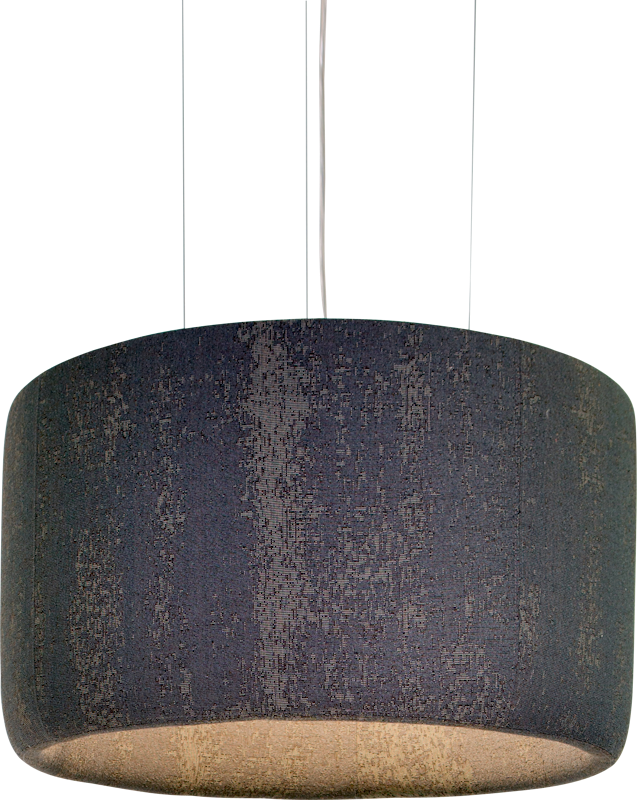
  • Integrated Solutions: Specifiers are pairing high-output LED lighting with sound-absorbing felt shells (such as BuzziJet and BuzziDome) to optimize overhead space.

  • Targeted Absorption: Incorporating dedicated acoustic wall panels and ceiling clouds to reduce reverberation times and keep speech private.

2. Dynamic Flexibility & Modular Work Zones

Static cubicles and rigid boardroom layouts are being replaced by agile environments that change configuration on demand.

  • Micro-Architecture: Using semi-private canopies like BuzziTent or mobile acoustic dividers to construct pop-up meeting hubs without building permanent drywall.

  • Adaptive Furniture: Modular acoustic seating enables teams to quickly regroup for brainstorming sessions or reconfigure for solo focus work.

Ready to Future-Proof Your Workplace Layout?

Adapting to shifting workplace trends requires adaptable furniture and scalable acoustic systems. Explore BuzziSpace’s modular acoustic solutions designed for the evolving hybrid office.

3. Biophilic Design & Earthy Color Palettes

Connecting employees with natural elements directly reduces stress and increases cognitive focus.

  • Natural Textures: Incorporating bio-based materials, such as mycelium-grown BuzziReForm panels, brings authentic organic textures into corporate environments.

  • Calming Color Schemes: Shifting away from sterile, stark white and monochromatic gray toward grounding mineral tones, botanical greens, and warm terracottas.

4. The Rise of "Resimercial" Focus Sanctuaries

As working from home has set a new benchmark for personal comfort, office design is adopting warm, residential-inspired aesthetics ("resimercial").

  • Soft Touch: Plush, upholstered acoustic booths and sound-dampening lounge armchairs give employees comfortable options for solo focus.

  • Sensory Well-Being: Tactile fabrics and sound attenuation create a relaxing atmosphere that mimics the comfort of home while providing professional-grade functionality.

5. Circularity & Science-Based Sustainability

Sustainability has shifted from a marketing feature to a strict procurement requirement.

  • Low-Carbon Materials: Specifiers favor acoustic solutions made from post-consumer recycled PET felt, circular textiles, and bio-fabricated substrates.

  • End-of-Life Planning: Choosing long-lasting, modular products that can be easily disassembled, repaired, or composted at the end of their lifecycle.